
The Educators Behind Student Success
Every program we run traces back to real people who chose this work for personal reasons. Our team brings together special education expertise, research methodology, fundraising strategy, and grassroots volunteer coordination. Here's who they are and what they do.
A Multidisciplinary Approach to Inclusive Education
Building educational programs for children with learning differences requires more than good intentions. It requires people who understand the classroom from the inside, who can read a dataset and translate it into a curriculum change, and who know how to keep volunteer tutors showing up week after week.
That's the logic behind how our team is structured. Rather than siloing expertise, we built a group where the research analyst sits in on program design meetings, where the volunteer coordinator flags patterns she's seeing in the field before they show up in the data, and where the partnerships advisor can articulate impact because he's watched it unfold firsthand.
How we work together: Weekly cross-functional check-ins connect program delivery with outcome tracking. When Kenji's data shows a reading intervention gaining traction in pilot schools, that finding reaches Miriam's volunteer training materials within days, not months.
This isn't a theoretical framework. It is a staffing decision that emerged from years of running programs in Israeli schools where the gap between research findings and classroom practice was costing students time they didn't have.
Program Leadership
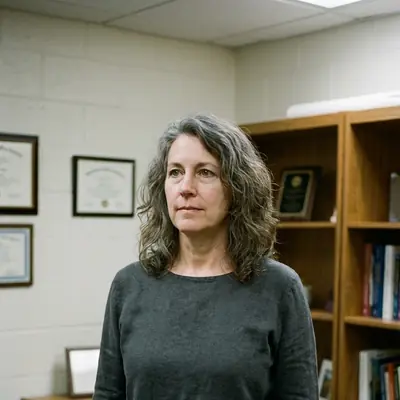
Dr. Talia Rosenfeld
Director of Special Education Programs
Dr. Talia Rosenfeld has spent over two decades developing evidence-based learning frameworks for children with dyslexia, ADHD, and processing disorders across Israeli schools. She transforms research into real-world tools families and educators can actually use.
Dr. Rosenfeld's background spans clinical research and direct classroom intervention. Before leading our programs, she worked with schools in the periphery where diagnostic services were scarce and teachers were creating workarounds on their own. That experience shaped her core principle: frameworks only matter if a teacher with about 30 students and limited support hours can implement them.
Her approach starts with the constraint, not the ideal. What does a resource-limited school actually need? Which accommodations survive contact with a real schedule? The programs she designs reflect those questions, which is why adoption rates in partner schools have remained consistent rather than peaking and dropping off after initial training.
One area where results remain uneven is secondary-level implementation. Interventions that work well in elementary settings don't always transfer cleanly to middle school structures, and Dr. Rosenfeld's team continues refining that transition.
Research, Partnerships, and Volunteer Coordination
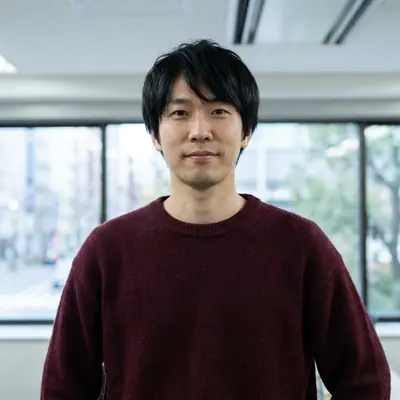
Kenji Watanabe
Learning Outcomes Research Analyst
Kenji Watanabe tracks what works. Drawing on comparative education research from Tokyo to Tel Aviv, he translates program data into clear impact narratives — making the case, one finding at a time, for why inclusive education investment matters.
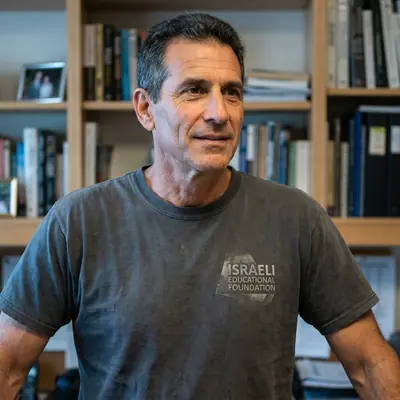
James Okafor
Philanthropy & Partnerships Advisor
James Okafor connects mission-driven donors with programs that change children's lives. With a background spanning London's nonprofit sector and sub-Saharan development initiatives, he brings a global lens to inclusive education funding in Israel.
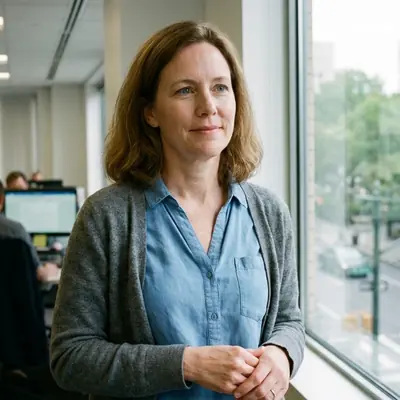
Miriam Sánchez-Perel
Volunteer Programs Coordinator
Miriam Sánchez-Perel grew up watching her younger brother navigate school with dysgraphia and never forgot how much one devoted mentor changed his trajectory. Now she builds the volunteer networks that create those same moments for hundreds of children across Israel.
Kenji joined the team after conducting comparative studies on learning disability identification rates across East Asian and Middle Eastern school systems. His role here is concrete: measure whether the frameworks Dr. Rosenfeld designs produce measurable changes in reading fluency, task completion, and classroom participation. He publishes annual findings through our impact reporting, which partner schools and donors use to evaluate program value.
James operates at the intersection of storytelling and financial sustainability. His ongoing relationships with philanthropic foundations, cultivated over nearly a decade of cross-border nonprofit work, keep our programs funded through multi-year commitments rather than single-cycle grants. That stability matters. It means a school that starts using our tools in September knows the support structure will still be there the following September.
Miriam's work looks different from the rest of the team's. She recruits, trains, and retains volunteer tutors who provide one-on-one support in classrooms. Her retention strategy is simple but effective: match volunteers to students based on geographic proximity and scheduling compatibility, provide structured session guides, and follow up within about 48 hours of every session. Volunteer turnover dropped meaningfully once she introduced peer cohorts where tutors debrief together monthly.
Scope of Practice and Educational Partnerships
Our team works within a defined scope. We develop and deploy learning support frameworks. We do not provide clinical diagnoses, and we do not replace school psychologists or licensed therapists. When a child needs services beyond what our programs offer, we refer families to qualified professionals through established networks.
- Evidence-based classroom intervention design for dyslexia, ADHD, and processing disorders
- Volunteer tutor recruitment, training, and ongoing mentorship
- Longitudinal outcome tracking across partner school sites
- Grant writing and donor relationship management for program sustainability
- Teacher professional development workshops in inclusive pedagogy
We currently partner with public and integrated schools across Israel's central and northern regions. These partnerships, active since around 2017 in some cases, operate through formal agreements that define shared goals, reporting cadences, and mutual accountability structures. Schools contribute classroom time and teacher participation. We contribute frameworks, volunteer support, and measurement infrastructure.
Findings from these pilots directly inform the resources and guides we publish for families.
If you're an educator, school administrator, or parent interested in how these programs work in practice, our team is reachable and responsive. We don't gatekeep information behind intake forms.
Have questions about our programs or want to explore a school partnership? Reach out directly.
Contact Our Team