Small-Group Tutoring Often Outperforms One-on-One Sessions
Educational Programs

ESC to close
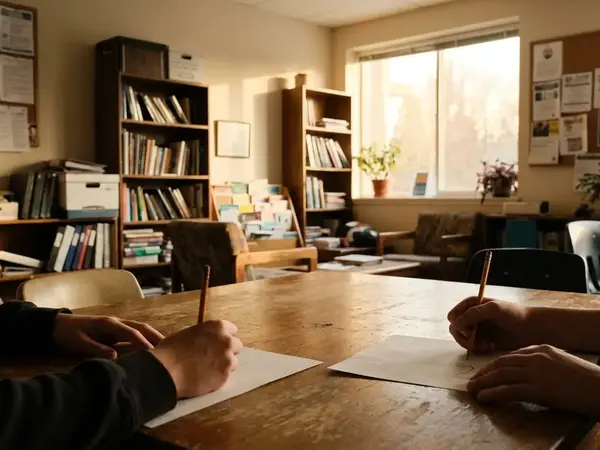
We pair trained mentors with children who need individualized attention. Not in theory. In classrooms, after-school programs, and family homes across the country. Our tutors work with each child's specific learning profile, adapting methods until something clicks.

The approach is straightforward: assess where a child struggles, build a plan around their strengths, and stay consistent. Results compound when a child finally believes they can keep up with their peers.
Four areas of focus drive our work. Each one addresses a different piece of the puzzle for children with learning disabilities and the communities that support them.
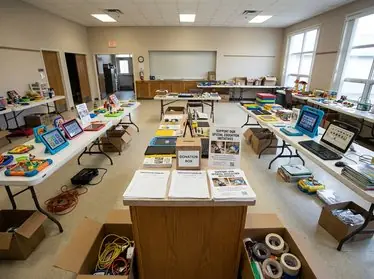
Specialized tutoring, one-on-one mentoring, and structured interventions designed for children who learn differently. These aren't generic lesson plans—each program responds to individual diagnostic assessments.
Explore Programs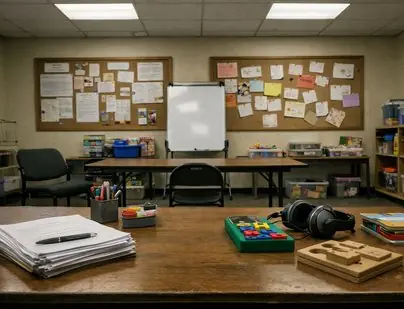
Practical guides, tools, and strategies for parents and educators navigating learning disabilities. We focus on what actually works at the kitchen table and in the IEP meeting—not just what sounds good in a brochure.
Browse Resources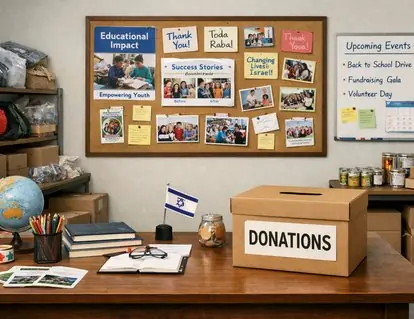
Transparent reporting on outcomes, student progress, and community reach. We track what matters: reading level gains, confidence shifts, and long-term academic trajectories across our programs in Israel.
See Our Impact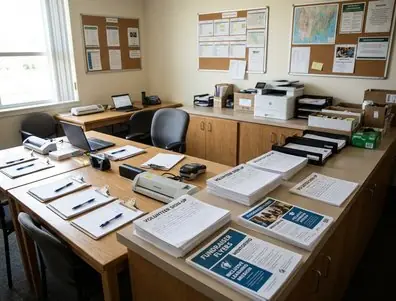
Volunteer as a mentor, support a classroom, or help fund a child's tutoring. Every role matters. Our volunteer training program prepares you to make a real difference from your first session.
Join UsOur educators and program leaders bring years of field experience in special education, nonprofit development, and community organizing. They're the reason our programs adapt and improve each year.
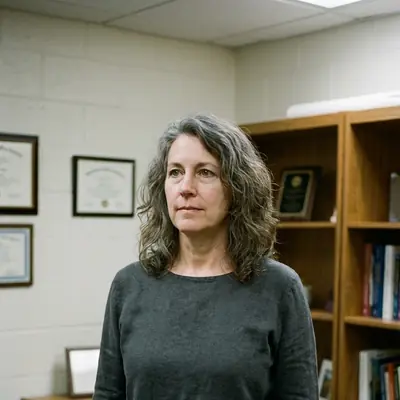
Director of Special Education Programs
Specialist in learning disability intervention and inclusive curriculum design. Talia has shaped Achiya's diagnostic-first approach to tutoring, ensuring every program begins with understanding the child.
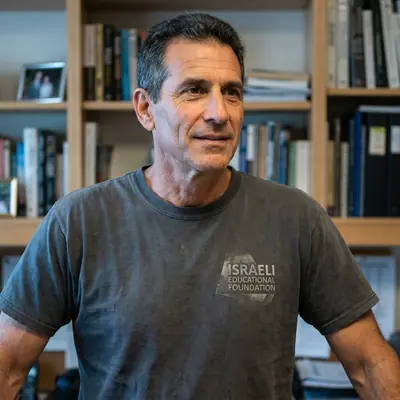
Philanthropy & Partnerships Advisor
Brings deep expertise in nonprofit fundraising strategy and international donor engagement. James connects Achiya's mission with the global community committed to inclusive education.
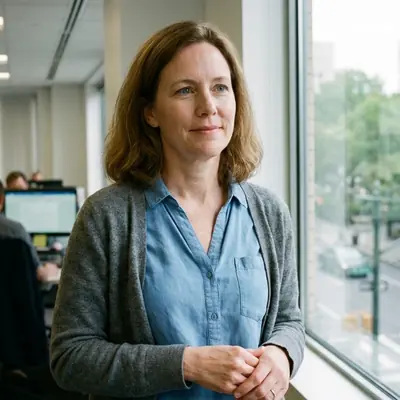
Volunteer Programs Coordinator
Leads community engagement, mentorship program development, and volunteer training. Miriam built the onboarding process that turns first-time volunteers into effective, confident mentors.
In Israel, an estimated 10–15% of school-age children have some form of learning disability. Many go years without proper identification. By the time a diagnosis arrives, the academic gap has widened and confidence has eroded.
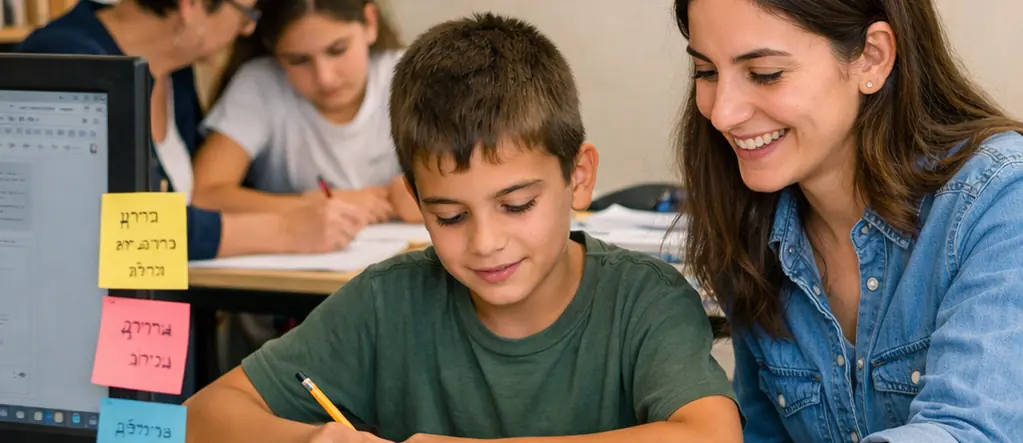
Achiya's programs reach children at different stages of that timeline. Some come to us right after diagnosis, uncertain and frustrated. Others arrive in middle school, already convinced they're "bad students." Our mentors have seen both—and the turnaround that's possible when a child finally gets the right kind of help.
A parent recently told us her son went from refusing to open his backpack to voluntarily reading before bed. That shift didn't come from a worksheet. It came from a mentor who figured out he needed to hear words before seeing them on the page.
These stories are not rare. They're the reason our annual impact reports exist—to document what's working and hold ourselves accountable to the families we serve.
Achiya operates through multi-year partnerships with Israeli schools and municipal education departments. Our mentoring protocols are reviewed annually by special education professionals, and our volunteer training curriculum reflects current research in learning disability pedagogy. Since our founding, we have maintained a practice of transparent outcome reporting to all stakeholders and donor partners.
Whether you're a parent looking for support, an educator seeking resources, or someone who wants to volunteer—there's a place for you here. Reach out and let's talk about what's possible.
Get in Touch
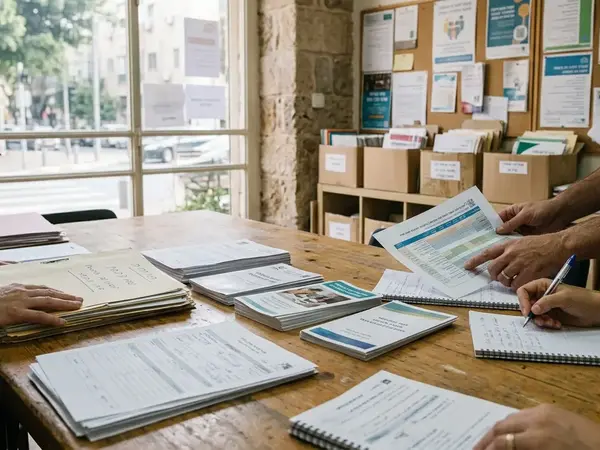
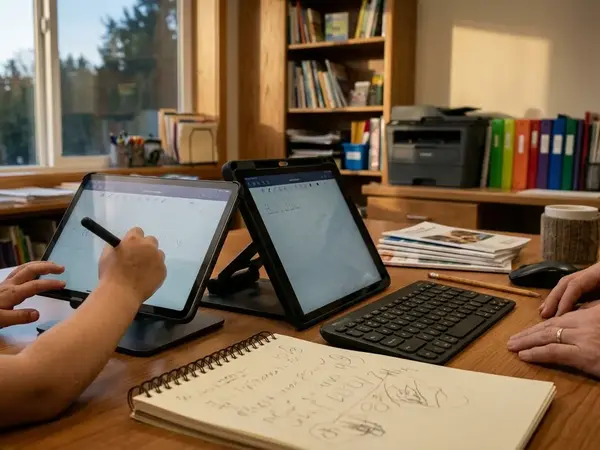


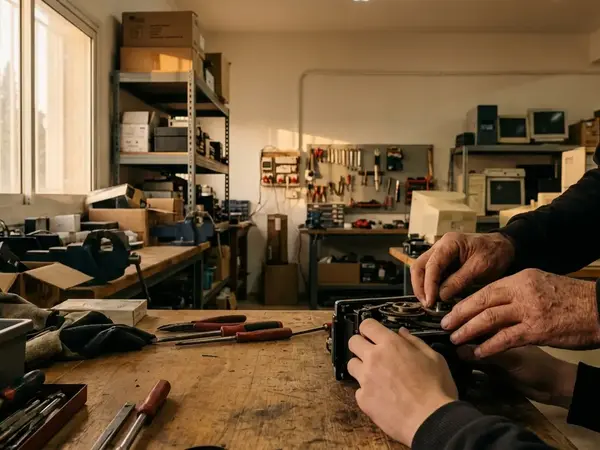
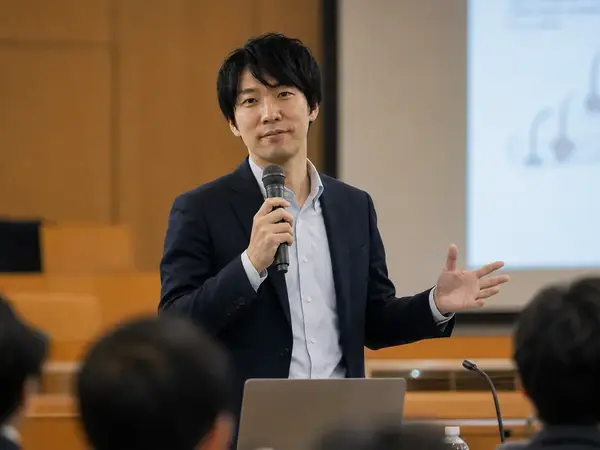
Hear where the community needs help most.
Craft programs rooted in proven research.
Source funding through grants and giving.
Run programs with our dedicated team.
Measure impact and publish the findings.