
For twenty years, achiya has operated special education programs across Israel, working alongside children with learning disabilities, educators, families, and support providers. That record brings recurring implementation problems into sharp focus: uncertain funding, limited planning time, uneven access to specialist support, and responsibility that becomes blurred between people and institutions.
This experience offers a sustained operational perspective rather than a nationwide evaluation. Schools and localities work under different conditions. Even so, the same policy questions repeatedly surface when a child needs help: What support is available? Who arranges it? Which resources fund it? When will progress and delivery be reviewed?
Contents
- Twenty Years on the Ground Reveal a Policy Gap
- Grassroots Programs Need a Reliable Policy Foundation
- Teachers Cannot Deliver Inclusion Without Time and Support
- Use a Four-Line Test Before Calling a Policy Inclusive
- Copy This One-Term Inclusion Pilot at School Level
- About This Perspective
Twenty Years on the Ground Reveal a Policy Gap
Specialized tutoring can help a learner tackle a difficult text. Mentoring can rebuild participation after repeated frustration. Inclusive educational programs can equip a classroom teacher with practical adaptations. These interventions matter to individual children, often at the moment when school has started to feel inaccessible.
Yet grassroots provision cannot guarantee dependable access across a child’s education. It cannot, on its own, ensure that educators have suitable preparation, that specialist input will remain available, or that support will continue when a budget or staff assignment changes.
The policy gap appears across the full support journey: initial identification, assignment of responsibility, classroom delivery, communication with the family, and review during each school term. A strong start can still unravel if one stage has no named owner.
Israel therefore needs an inclusion standard grounded in implementation. Three priorities follow from achiya’s operating experience: reliable funding for delivery, educator development tied to classroom practice, and clear accountability for arranging and reviewing support. The operational record identifies persistent questions; it does not establish identical conditions in every Israeli school.
Grassroots Programs Need a Reliable Policy Foundation
A program and a policy perform different jobs. A tutoring or mentoring program can organize direct help for enrolled children. Policy determines entitlement, assigns responsibility, makes resources available, and protects continuity when personnel or budgets change.
Funding the Work Behind the Promise
Inclusive education funding must reach the tasks that make inclusion possible. That includes specialist consultation, coordination time for educators, accessible instructional materials, time for family communication, and a staff role responsible for arranging each element.
Funding uncertainty becomes a classroom problem quickly. A specialist may be available while the teacher lacks time to plan with them. Materials may be purchased while nobody owns the adaptation process. A family may receive an initial plan without knowing who will answer questions two months later.
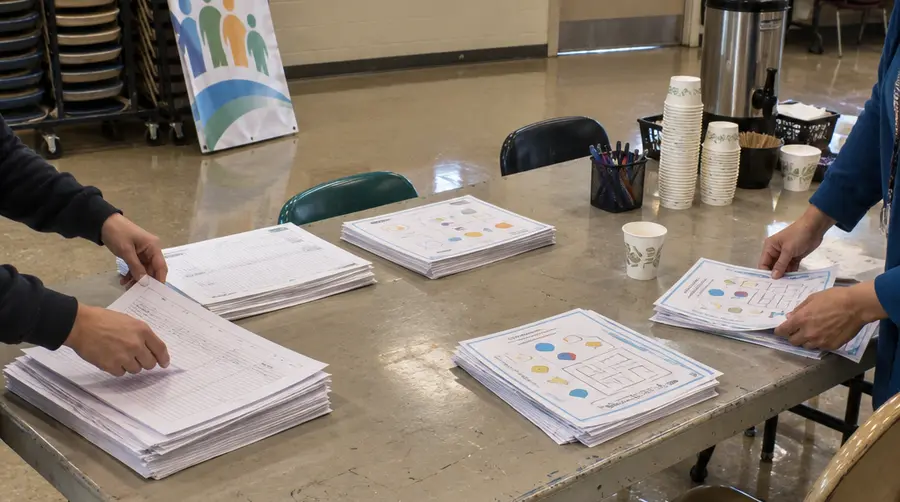
Conditions and decision-making structures vary among schools and localities, so local flexibility remains useful. Schools need room to adapt instruction around the learner and classroom. A dependable policy foundation should still define the minimum support pathway and fund the people expected to deliver it.
Protecting Support Across Terms
Continuity deserves an explicit check from one school term to the next. Before the first five to ten instructional days of a new term have passed, the school should reconfirm the responsible role, available resources, specialist contribution, and communication route for the family. That short check prevents a child’s plan from disappearing during a timetable change.
Teachers Cannot Deliver Inclusion Without Time and Support
Recognizing that a learner is struggling represents only the first step. The teacher then needs suitable methods, planning time, specialist access, and enough authority to adjust what happens in the classroom.
This challenge should not be read as a universal judgment about Israeli teachers or schools. It recurs through program delivery in differing forms: one teacher may need coaching on task design, while another understands the adaptation but lacks protected time to coordinate it.
A Support Chain Teachers Can Use
- Record the barrier. The classroom teacher documents a specific learning or participation difficulty using current work and observation.
- Assign coordination. A designated coordinator connects the teacher with a special educator or relevant specialist and records planning responsibilities.
- Plan together. General and special educators share a planning record each instructional week, supported by protected coordination time.
- Bring in the family. Family information informs the plan while the school retains responsibility for system coordination.
- Escalate unresolved needs. A named contact addresses needs beyond the school’s current staffing, training, or funding capacity.
Continuing professional learning works best when classroom-based coaching accompanies it. Educators can then test an adaptation against a real lesson, inspect the learner’s response, and refine the next task with specialist input.
During the final five to ten school days of a term, the team should identify unresolved barriers and decide who will carry each issue into the next term. This turns professional learning into an operating routine instead of a detached training event.
Use a Four-Line Test Before Calling a Policy Inclusive
Policymakers, school leaders, educators, parents, and donors can test an inclusion proposal with four lines. Each line should contain a direct answer.
1. Entitlement
State exactly what the learner can expect. Depending on the identified need, this may include instructional adaptation, specialist consultation, tutoring, or mentoring. Broad promises such as “appropriate assistance” leave too much unresolved.
2. Owner
Name the role responsible for arranging support and communicating with the family. Assigning responsibility to “the school” makes follow-up difficult because no individual function owns the next action.
3. Resources
Match each entitlement to funded delivery: staff time, specialist access, materials, coordination periods, and communication time. A policy promise without these inputs transfers the implementation burden to already stretched educators and families.
4. Review
Specify the evidence and the review point. Useful sources include dated work samples, teacher observations, learner participation, and family feedback. The policy should require at least one formal review within every school term.
Entitlement, Owner, Resources, Review: a missing line shows precisely where an inclusion promise can break between specialist support and the shared classroom.
This test supports constructive scrutiny. Instead of debating whether a proposal sounds inclusive in principle, reviewers can identify the missing operational commitment and request a correction.
Copy This One-Term Inclusion Pilot at School Level
Hypothetical case: A learner with a learning disability struggles to participate in the class literacy block. Focused specialist instruction helps the learner engage with the same core skill being taught in class.
The school can use one locally defined term to test a coordinated support plan.
Step 1: Agree on One Observable Goal
The learner, family, classroom teacher, and special educator agree on one participation goal. They describe the starting point with existing work samples and teacher observations, avoiding an invented numerical benchmark.
Step 2: Put Every Responsibility on the Schedule
A school-based coordinator records who adapts the classroom instructions, who changes the task format, and when the specialist will pre-teach or reinforce the relevant literacy skill. The schedule includes one protected coordination period during each instructional week.
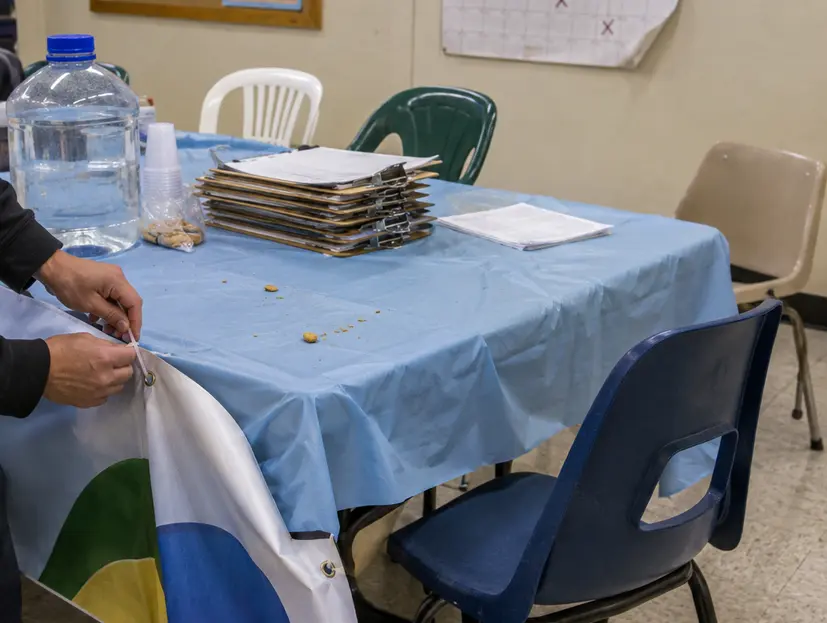
Step 3: Collect Evidence During Ordinary Lessons
The team keeps dated work samples, teacher observations, learner feedback, and family feedback throughout the term. The record also lists material requirements, missed activities, and the reason for any missed delivery. This distinguishes a weakness in the instructional approach from a session that never took place.
Step 4: Review Delivery and Participation
During the final five to ten school days, the group examines participation, completed work, specialist contributions, and coordination gaps. It then records which adaptations will continue, what resources require confirmation, and who will communicate the next-term plan.
The pilot ends with an implementation record. It can reveal required staff time, useful adaptations, and breaks in coordination—without serving as nationwide evidence of educational impact.
About This Perspective
This argument reflects achiya’s twenty years of direct special education program experience across Israel. It is an organizational perspective grounded in work with learners, educators, and support providers, rather than an independent assessment of every school or locality.
The site template supplies the byline separately. Before publication, an editor should confirm that the named author is a current achiya leader or program professional and verify the person’s role and tenure through organizational records or direct confirmation. The check belongs in the final one to five business days before publication.
A Publication Check Editors Can Copy
Take a draft scheduled for Friday. On Monday, send the proposed author the title and role that will appear in the byline. On Tuesday, compare the reply with the current organizational record and note the confirmed tenure in the editorial file. On Wednesday, insert this scope statement: “This perspective draws on achiya’s twenty years of operating special education programs across Israel; the author’s involvement covers their separately verified period with the organization.” On Thursday, secure final approval from the named author, then release the article with the practice record and personal tenure clearly distinguished.











Responses
The conversation starts with you.
Leave a Comment