
Carefully matched small groups can give children learning opportunities that individual tutoring cannot reproduce: hearing a peer attempt a strategy, explaining a step aloud, and practicing with supportive classmates before trying independently. For a group of three to four children, the practical question is whether those opportunities help every learner work toward a shared target. Placement should begin with that target, the proposed group’s composition, and each child’s participation needs.
A Well-Matched Group Can Be the Stronger Starting Point
A child learning to blend sounds into words may benefit from hearing another learner work through the same process. A peer’s explanation gives the tutor something concrete to discuss: which sounds the child used, how they joined them, and what the next learner could try.
That opportunity needs careful organization. Three to four children sitting together do not automatically form a useful instructional group. Each needs accessible directions, suitable practice items, and enough space to make an attempt without someone else supplying the answer.
For educational programs choosing between group and individual support, begin by asking what children need to practice together. Then check what each child can do independently afterward. Confidence and willingness to participate may grow, but the learning record should capture the skill itself.
Make Peer Modeling More Than Watching Another Child Answer
Consider a hypothetical English-language reading activity. One learner blends the sounds in “map” aloud. The tutor draws attention to the useful action: joining the sounds in sequence. Another child explains that step, with support if needed, before everyone receives a different word using already-taught sound–letter correspondences.
The fresh words matter. If every learner reads “map” after hearing the first answer, the group can sound fluent while leaving the tutor uncertain about who used the strategy.
Give Each Learner a Fresh Word
Ask for a useful step before accepting the next answer. Then listen to each learner attempt their own word. Record whether the child worked independently, needed a sound prompt, or repeated an answer someone had supplied. Those responses call for different next steps.
Watch participation, too. A child who speaks comfortably beside the tutor may become quieter when peers listen. Offer a supported explanation or private rehearsal, then check whether the child can rejoin the activity comfortably. Peer modeling earns its place when it leads to each learner’s own practice.
Match Children by the Skill They Need to Practice
A parent’s account of difficult homework and a teacher’s description of classroom prompts can sharpen placement decisions. Ask what happens when the child gets stuck: Do they begin after directions are clarified? Do they wait for someone to read the word? Which help allows them to continue?
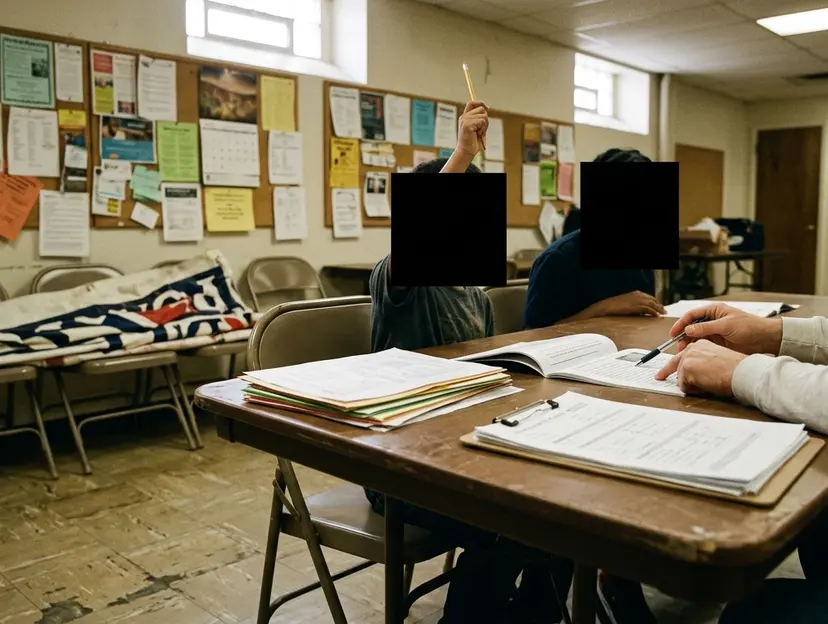
Use those accounts alongside work samples and direct observation. A shared diagnosis, school year, or description such as “struggling reader” leaves too much unanswered about the instruction children need.
- Name the immediate target. For example, identify blending words made from already-taught sound–letter correspondences, rather than the broad aim of improving reading.
- Observe independent attempts. Establish what each child can begin and complete before a peer or tutor supplies help.
- Identify necessary supports. Record prompting, communication access, pace, and conditions that help the child participate safely.
- Observe the proposed group. Check whether children can practice the shared target without one continually waiting or another becoming overwhelmed.
Children can need different amounts of prompting and still work productively together. Where instruction and home languages differ, establish which language the child understands comfortably and make directions accessible before interpreting performance.
Placement organizes instruction; it does not diagnose a learning disability.
Recognize When the Group Is Blocking Learning
Recurring patterns deserve a response. Ask the child what made participation difficult, compare observations across sessions, and change the condition that appears to be blocking practice.
- Copying without explanation: give each learner a different item and ask them to explain the useful step before answering.
- Domination or persistent waiting: assign turns explicitly and prepare parallel tasks so other children can keep practicing.
- Repeated withdrawal or visible distress: offer private rehearsal, listen to the child’s account, and adjust the setting or grouping.
- Repeated inaccurate modeling: interrupt kindly, demonstrate the correct step, and ask children to retry with fresh items.
- Work that repeatedly overwhelms a learner: reduce task complexity while preserving the target, then check whether participation improves.
A quieter setting or different communication support addresses access. Record the condition the child needs rather than describing the child as uncooperative or unsuitable for groups.
Move the relevant instruction to individual support when it requires sustained individualized prompting, a substantially different target, or privacy for safe participation. Review whether the change gives the child more opportunity to attempt the work.
Build a Group Lesson Around Every Child’s Own Attempt
The following lesson is illustrative, rather than an organizational case study. Imagine three to four children practicing decoding with familiar sound–letter correspondences. Before the session, the tutor prepares different words for each learner and identifies the prompts each may need.
Keep the Target Steady
- Establish the shared goal. Explain that children will practice joining sounds to read unfamiliar words.
- Model audibly. Demonstrate the strategy so learners can hear the process as well as the final word.
- Invite a supported peer explanation. Ask one child to describe a useful step. Help clarify the explanation without turning it into answer-giving.
- Give everyone a fresh task. Keep the decoding target consistent while adjusting item difficulty and prompts where necessary.
- Close with an independent check. Ask each child to attempt another suitable word and record any help provided.
During practice, correct inaccurate modeling promptly and kindly. If a peer calls out an answer, provide the learner with another item so the tutor can still check their own attempt.
A useful teaching habit is to pause for one clear explanation before inviting another answer. That pause connects the shared demonstration to the next child’s practice.
The closing record should distinguish an independent attempt from a verbal cue, modeled step, or additional rehearsal. Volunteers following an agreed lesson pass these observations to the designated educator; diagnostic and placement decisions remain outside that recording role.
Check Whether Learning Travels Beyond the Group Table
Compare each child’s current work with their own earlier attempts at the same target. A brief dated record can capture:
- The target skill and task attempted.
- The child’s independent response.
- The prompts or rehearsal required.
- Participation, including waiting or withdrawal.
- Use of the strategy on a different item or task.
Attendance documents exposure to tutoring. Enjoyment describes the experience. Completed tasks show that work was finished. Each provides useful context; independent attempts establish whether the child can use the skill.
Ask teachers for a relevant classroom work sample and parents for a specific homework example, including the help provided. These accounts can reveal whether a strategy travels beyond the tutoring table. Changes elsewhere cannot automatically be attributed to the group format.
For a practical review schedule, a coordinator could examine work after three to four sessions delivered across two to four weeks. This is a proposed scheduling arrangement, not a threshold for expected improvement.
The same discipline belongs in donor-facing accounts of our impact: verify the measure, timeframe, children represented, and supporting records before publishing an outcome claim. Spending on special education resources documents provision; evidence of learning requires children’s work.
Choose the Next Placement Around a Shared Learning Target
Consider a hypothetical placement conversation. Three children share a decoding target and can engage with supported peer explanations, so the coordinator proposes a small group. Another child needs instruction toward a different target, which the coordinator arranges individually.
Bring a recent work sample, teacher observations, and the child’s account to that conversation. Define success before instruction begins: the child attempts a previously unpracticed item using the taught strategy without another learner supplying the answer. Record tutor prompts separately.
Put responsibility for review in the placement plan. For example, the supervising educator can examine the tutor’s attempt-and-prompt records at the agreed review point. Tell parents beforehand whether they will receive a written summary or a scheduled conversation, and explain how to get involved by sharing a specific homework example.
Membership should remain adjustable as targets and participation needs change.
Start a carefully composed group when children share a teachable target and can participate safely; retain it when every child’s independent practice demonstrates its usefulness.




Responses
The conversation starts with you.
Leave a Comment